Port Houston Other service
Multi-Purpose, Breakbulk and Project Cargo Facilities
Port Houston’s multi-purpose terminals from the Turning Basin downstream handle steel, grain, breakbulk, heavy-lift project cargo and wind turbine components.
Description
Port Houston's multi-purpose cargo facilities stretch from the Turning Basin, the head of navigation since the Houston Ship Channel opened in 1914, to a few miles downstream. Together they form the area's largest breakbulk, steel and project cargo complex.
Facilities
- Turning Basin Terminal, Care Terminal, Jacintoport Terminal, Manchester Terminal
- Sims Bayou Terminal, Southside Wharves
- Bulk Materials Handling Plant and Public Grain Elevator No. 2
Applications
Each facility handles a wide range of cargo, from grain and steel to heavy-lift project cargo and wind turbines and blades, with large laydown areas next to the general cargo and heavy-lift docks.
Ongoing works
Splash-zone repairs to steel bulkheads at the Turning Basin Terminal, rehabilitation of Wharf 9 (~600 LF) ahead of the Project 11 channel deepening, transit shed roof works, and rehabilitation of Wharf 2 at Manchester Terminal.
Specifications
| Facilities | Turning Basin Terminal, Care Terminal, Jacintoport Terminal, Manchester Terminal, Sims Bayou Terminal, Southside Wharves, Bulk Materials Handling Plant, Public Grain Elevator No. 2 |
|---|---|
| Cargo types | steel, breakbulk, grain, project and heavy-lift cargo, wind turbines and blades |
| In service since | 1914 |
More from Port Houston
Featured services
All services →
Other service
North Carolina Fisheries Association
Tradewinds
North Carolina Fisheries Association publication with columns from the chairman, executive director and director of government relations.
Rental / Leasing
Ship Leasing, Financing and Investment
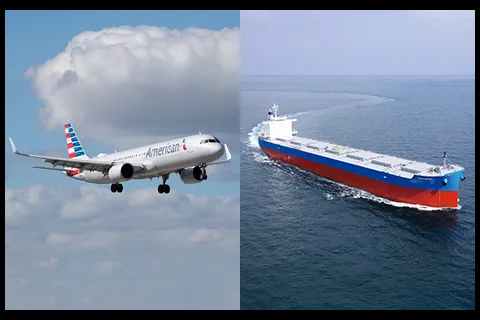
ORIX invests in ships and charters them to Japanese and international shipping companies, and provides ship financing; in ship leasing since 1971 and a shipowner since the 1980s.
Repair & Overhaul
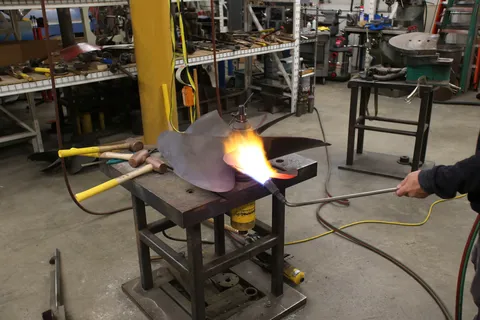
Inboard Propeller Repair
Inboard propeller reconditioning to ISO Class 1 tolerance (Class S on request), with every inboard propeller dynamically balanced; also surfacing, pod-drive and outboard propellers.