VPS Inspection, Survey & Testing
Fuel System Checks (FSC)
Sampling before and after onboard purifiers/clarifiers to measure centrifuge efficiency in removing catalytic fines (Al+Si) and water.
Description
Fuel System Checks routinely monitor whether onboard fuel purifiers and clarifiers are working effectively. Samples are taken before and after the purifier/clarifier so that the current efficiency of the centrifuge can be measured and adjusted if required. VPS notes that fuel treatment systems on many vessels do not always operate at optimal efficiency.
Key features
- Measures purifier/clarifier efficiency (%) and the condition of individual fuel cleaning components
- Identifies centrifuge malfunctions and defects before major damage occurs
- Detects unusual components that can enter the fuel after delivery
- Based on the ISO8217:2017 Al+Si limit of 60 mg/kg versus the less than 15 mg/kg engine inlet level recommended by major engine manufacturers, about 75% removal is needed
Applications
Recommended periodically as a routine check, when operational problems occur, when poor-quality bunkers are delivered, or when FQT reports show Al+Si above 40 mg/kg.
Specifications
| Al+Si limit (ISO8217:2017) | 60 mg/kg |
|---|---|
| Recommended Al+Si at engine inlet | less than 15 mg/kg |
| FSC trigger | FQT Al+Si > 40 mg/kg |
More from VPS
Featured services
All services →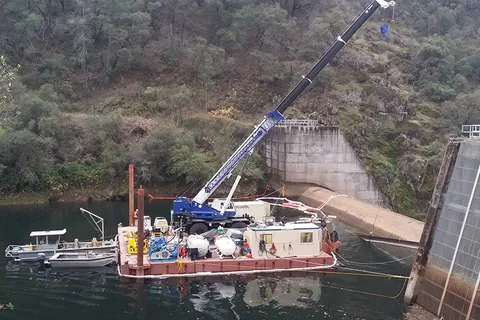
Engineering & Design
Engineering & Constructability Support
Underwater and marine engineering support with an Early Contractor Involvement approach to integrate construction means, methods and schedule into project design.
Other service
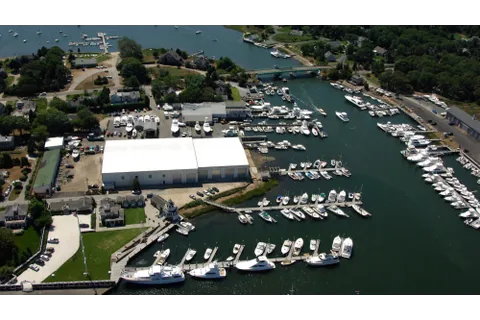
Dockage and Moorings
Seasonal and transient dockage and moorings at the Crosby Yacht Yard marina in Osterville, Cape Cod, with a fuel dock on site.

Rental / Leasing
Barge & Equipment Chartering
Contract chartering of barges and construction equipment for customer projects.